

Tinnitus Relief Sounds: White Noise, Nature Sounds and Music
Compare white, pink, brown and blue noise with rain, ocean, flowing water and music when choosing comfortable tinnitus masking or background sound.
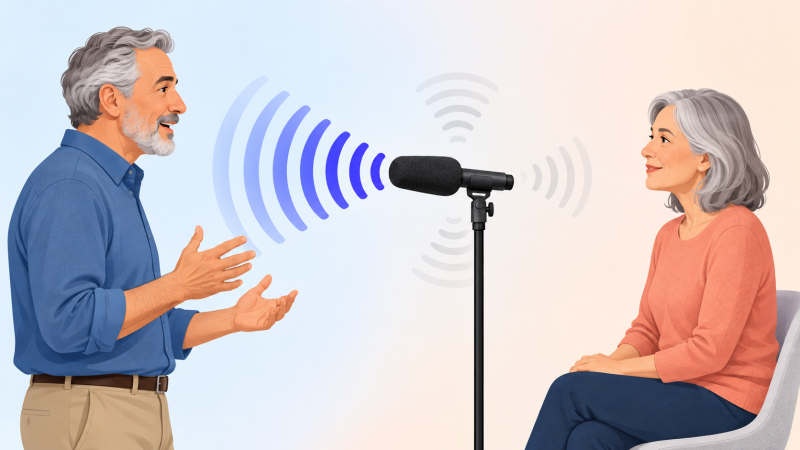
Searches for tinnitus relief sounds often lead to long lists of white noise, colored noise, nature sounds, and music. The useful question is not which sound has the strongest name—it is which sound remains comfortable, fits the room, and can be played at a modest level for the intended session.
A useful trial is surprisingly ordinary: keep the headphones, room, and starting volume the same, then change only the sound. That makes it easier to notice whether a bright hiss, a deeper noise, or a moving water recording is actually comfortable after several minutes.
Seven sound categories to compare
| Sound | General character | A practical comparison question |
|---|---|---|
| White noise | Broad, even energy across frequencies; often heard as a bright hiss | Does its steady texture blend into the background or feel too sharp? |
| Pink noise | Less high-frequency emphasis than white noise | Does the softer balance feel easier over a longer listening period? |
| Brown noise | More low-frequency emphasis and a deeper sound | Does the lower tone feel comfortable through the chosen headphones? |
| Blue noise | More high-frequency emphasis than white noise | Does the brighter character suit the listener, or become tiring? |
| Ocean waves | Slow, changing natural pattern | Does movement in the sound feel soothing or too noticeable? |
| Rain | Fine, irregular natural texture | Does it create a comfortable background in a quiet room? |
| Flowing water | Continuous natural movement | Is it easier to ignore than a steady electronic noise? |
White noise for tinnitus relief searches
White noise is common because it is simple, steady, and easy to generate. It covers a broad frequency range, but that does not mean it must be loud. Begin at the lowest audible level and compare it with pink or brown noise before deciding. A sound that looks ideal on a frequency chart can still be uncomfortable to a particular listener.
Pink and brown noise shift more of the perceived balance toward lower frequencies. They are not stronger versions of white noise, and one color is not universally more effective. Blue noise moves in the opposite direction, emphasizing higher frequencies; listeners who find bright sound tiring may prefer another choice.
Rain, ocean, and flowing water
Nature sounds offer variation. Rain can form a fine background texture, ocean waves rise and fall, and flowing water provides continuous movement. Some people prefer that natural variation to a uniform noise signal. Others find changes draw attention and prefer a steady sound. Test both categories at comparable volumes.
The NIDCD lists pleasant sounds such as waves, waterfalls, rain, and summer-night sounds as examples that can be played from a bedside generator or smartphone. Its tinnitus information page also places sound alongside other management options rather than presenting one track as a universal solution.
Music for tinnitus relief
Music differs from masking noise because it has melody, rhythm, and emotional meaning. It may help redirect attention, but lyrics or changing volume can be distracting when the goal is sleep or quiet work. Instrumental music, spoken audio, or a familiar playlist may suit attention-shifting; steady noise or nature sound may suit a neutral background. Keep the listening level comfortable in either case.
“Notched music” is a separate, specialized concept in which a selected frequency range is reduced. Ordinary music playback and IROGER MAX's built-in sound library are not personalized notched therapy.
A simple five-sound listening test
- Use the same comfortable headphones or earbuds for each test.
- Start with white noise at a low volume for several minutes.
- Compare pink and brown noise without raising the volume to make them seem more powerful.
- Try one natural sound, such as rain or flowing water.
- Record which sound is comfortable, how long it was used, and whether it suited rest, reading, or another activity.
Avoid judging from a one-second preview. A sound that is initially impressive may become tiring, while a neutral sound may be easier to live with. If headphones feel uncomfortable, compare fit and pressure using our headphones versus earbuds guide.
Tinnitus sounds for sleep and quiet rooms
At night, the contrast between tinnitus and the room can feel greater because everyday background sound has disappeared. A bedside speaker, fan, phone, sound machine, or headphone-based player can add a low-level background. Choose a format that is comfortable for the sleeping position and does not require unsafe volume.
Headphones or earbuds may not suit every sleeper. A tabletop sound source can keep the ears uncovered, while a portable player can be useful before sleep, while reading, or during travel. The tinnitus sound therapy device guide compares these formats.
The 37.28-hour IROGER MAX sound library
IROGER MAX includes the seven sound categories in the table above. Its source contains 37.28 hours of continuous, non-repeating audio before the complete program repeats, avoiding the feel of a short clip looping every few minutes. Typical battery runtime is specified at up to 100 hours in Tinnitus Masker mode, with actual runtime depending on volume and conditions.
MAX plays through compatible headphones or earbuds connected to its standard output. Select the sound that feels most comfortable, begin at a low level, and adjust gradually. For operating controls, use the MAX manual.
Tinnitus relief sounds FAQ
What is the best noise for tinnitus relief?
There is no universal best noise. White, pink, brown, and blue noise differ in spectral balance, and comfort varies by listener, headphones, room, and volume.
Are nature sounds better than colored noise?
They serve the same broad goal in different ways. Nature sounds change over time; colored noise is steadier. The better choice is the one that remains comfortable for the intended activity.
Should I search for one tinnitus relief frequency?
A single online tone is not a universal tinnitus setting. Frequency-matched and notched approaches are specialized concepts and should not be confused with ordinary noise or nature-sound masking.
Can the same sound work for daytime and sleep?
It can, but the preferred level and playback format may differ. A portable headphone player may suit daytime use, while an uncovered bedside source may be more comfortable at night.
Continue comparing
Read what tinnitus sound therapy means, compare apps, sound machines, headphones, and portable devices, or view the complete IROGER MAX sound-masking specifications.
Reviewed September 13, 2026. The MAX sound names, source length, connections, and runtime were checked against the current product specifications; the general sound-therapy context is linked to NIDCD above.