

Tinnitus Sound Therapy: Sounds, Masking and Listening Options
Learn how tinnitus sound therapy, sound masking, background sound, music and customized methods differ, plus how to choose a comfortable listening setup.
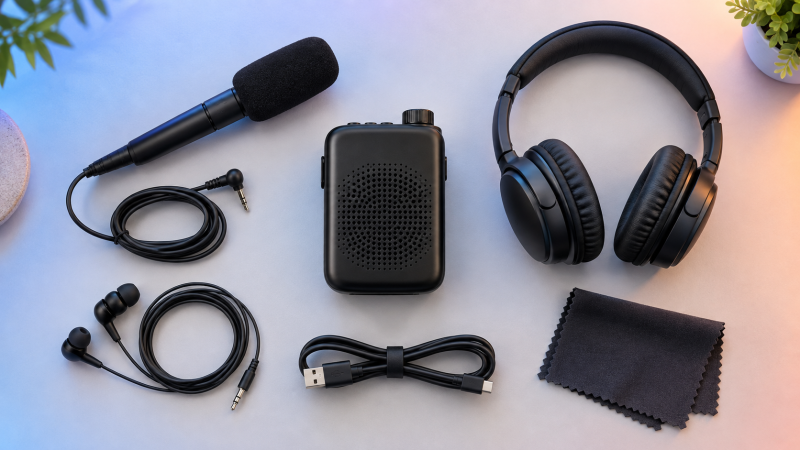
Tinnitus sound therapy is a broad name for using external sound as part of a tinnitus-management plan. People also search for “sound therapy for tinnitus” or “ringing in ears sound therapy,” but those phrases can describe different goals and different devices. Some listeners want gentle background sound in a quiet room; others want a sound that draws attention away from tinnitus; a clinician may use sound within a structured program.
This guide separates those uses so the word “therapy” does not blur together a bedside sound, a consumer masking player, and a clinician-guided program. It also explains exactly where IROGER MAX fits. Sound choice is personal, and louder is not automatically better.
What is sound therapy for tinnitus?
The U.S. National Institute on Deafness and Other Communication Disorders describes sound therapy as an option that may mask tinnitus, help a listener grow accustomed to it, or provide distraction. The source can be simple—a fan, radio, tabletop generator, or phone—or a wearable device. Read the NIDCD overview of tinnitus and sound therapy for the wider clinical context.
These uses overlap, but they are not identical. “Masking” usually means adding an external sound that makes tinnitus less prominent. “Sound enrichment” adds gentle background sound so that tinnitus is not the only sound in the room. Interesting audio or music can redirect attention. Tinnitus retraining therapy and other individualized programs include professional assessment and counseling; playing a noise track by itself is not the same program.
Four common ways people use sound
| Listening goal | Examples | What to notice |
|---|---|---|
| Neutral background | Fan, soft broadband noise, quiet radio | Whether it reduces the contrast of a very quiet room without becoming distracting |
| Sound masking | White, pink, brown, or blue noise | Which spectrum feels most comfortable at a low background level |
| Soothing environmental sound | Rain, ocean waves, flowing water | Whether a natural pattern is easier to listen to for a longer session |
| Attention and engagement | Music, spoken audio, nature recordings | Whether meaningful audio helps shift attention without requiring excessive volume |
Masking is not the same as making the sound louder than tinnitus
A common mistake is trying to drown out tinnitus with a high volume. A more practical starting point is a gentle level that remains comfortable and still allows awareness of the surrounding environment. The Department of Veterans Affairs' Progressive Tinnitus Management materials discuss soothing, background, and interesting sound as different tools rather than one universal prescription. The VA Progressive Tinnitus Management resource center provides the program context.
- Start with the playback volume low.
- Select one steady noise or natural sound.
- Listen long enough to judge comfort, not only the first few seconds.
- Raise the level only slightly if the room still feels uncomfortably quiet.
- Stop or change the sound if it feels sharp, tiring, or unpleasant.
White noise, colored noise, nature sounds, and music
White noise spreads energy evenly across frequencies and often sounds bright or hiss-like. Pink noise is weighted more toward lower frequencies and may sound softer. Brown noise places still more emphasis on lower frequencies. Blue noise emphasizes higher frequencies. Rain, flowing water, and ocean waves add changing natural patterns instead of a steady noise texture. Music adds melody and meaning, which may be more engaging but can also demand more attention.
There is no single “best tinnitus sound therapy” for everyone. A useful comparison is based on comfort, the listening environment, the desired session length, and whether the sound remains pleasant at a modest level. Our tinnitus relief sounds guide compares these choices in more detail.
Where frequency and notched sound therapy fit
Searches for tinnitus relief frequency, tones, notched music, or notched sound therapy refer to approaches that are more specific than ordinary sound masking. They may depend on tinnitus pitch, spectral shaping, or an individualized protocol. A fixed white-noise or nature-sound player should not be described as frequency-matched or notched therapy unless it actually measures or customizes the signal.
IROGER MAX offers seven fixed sound categories; it does not measure tinnitus pitch or create a personalized notch. This distinction keeps the product description accurate while helping buyers compare ordinary masking audio with specialized therapy systems.
Using IROGER MAX as a portable sound-masking player
IROGER MAX includes white, pink, brown, and blue noise plus ocean waves, rain, and flowing water. The 37.28-hour source plays continuously without repeating a short clip; the full program repeats only after the source has completed. MAX is specified for up to 100 hours of typical battery use in Tinnitus Masker mode, depending on volume and operating conditions.
MAX sends the selected sound to compatible headphones or earbuds connected to its 3.5 mm output. It can also work as a hearing amplifier, Bluetooth audio receiver, or wireless Hi-Fi headphone amplifier, but those functions are separate from the built-in masking library. Review the MAX user guide before changing modes.
Tinnitus sound therapy FAQ
Does sound therapy cure tinnitus?
Sound is used to change the listening environment and may make tinnitus less prominent or easier to manage for some people. No single sound, frequency, app, or consumer device can guarantee that tinnitus will disappear.
Is white noise the only option?
No. Pink, brown, and blue noise have different spectral balances, while rain, water, ocean sounds, music, or ordinary environmental audio offer different listening textures.
Should the masking sound completely cover tinnitus?
Not necessarily. Many listening plans use a soft background level rather than complete coverage. Comfort and safe listening matter more than maximum loudness.
Is a free tinnitus sound therapy app the same as a dedicated player?
Both can supply audio, but they differ in battery dependence, notifications, offline availability, controls, headphone output, and whether the audio loops quickly. Compare the actual use experience rather than the label alone.
When is a clinician-guided approach different?
A clinician can assess hearing and tinnitus, discuss individual goals, and select a structured management approach. That is different from independently choosing a background sound or consumer masking player.
Choose the next guide by intent
To compare noise colors and nature sounds, open Tinnitus Relief Sounds. To compare a sound machine, app, headphones, or portable device, use the tinnitus sound therapy devices guide. For the built-in seven-sound library and battery specifications, view IROGER MAX.
Reviewed September 13, 2026. Product statements were checked against the current IROGER MAX specifications; general tinnitus information uses the NIDCD and VA resources linked in this guide.