

Hearing Aids vs. Hearing Amplifiers: Match the Device to Your Listening Needs
A personal hearing amplifier can help you hear television dialogue and nearby voices more clearly, with your own listening volume and a microphone placed near the sound. Compare the everyday setup and the different adjustment offered by hearing aids.
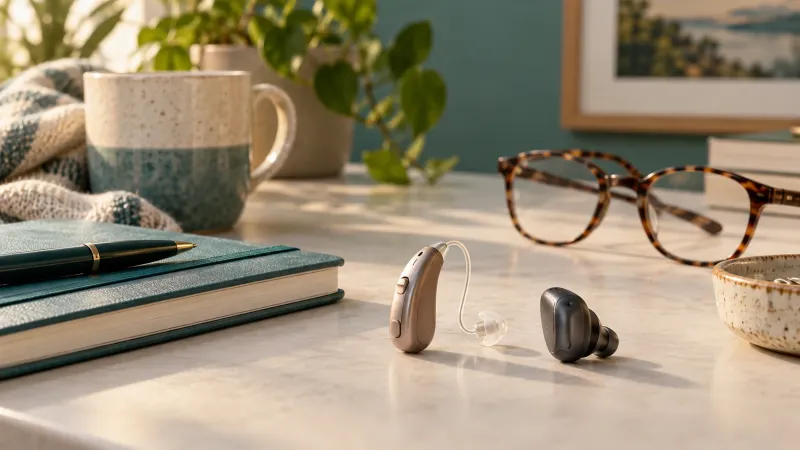
A personal hearing amplifier can help you hear television dialogue and nearby voices more clearly, with your own listening volume and a microphone placed near the sound. Compare the everyday setup and the different adjustment offered by hearing aids.
How a hearing amplifier can help you follow voices
When television dialogue or a nearby voice is too faint, hearing amplifiers can bring that sound to a more useful listening level. With headphones, the listener can choose a comfortable volume without asking everyone else to turn up the television or speak louder. That can make an ordinary conversation or evening program easier to follow, particularly when the original sound is quiet or the listening position is some distance away.
The microphone arrangement matters too. An amplifier with an external microphone lets you collect sound closer to the voice or television speaker, then send it to the listener. This can give the wanted sound a stronger presence relative to competing sounds near the listener. An effective setup therefore combines usable volume with a useful pickup position. It is worth comparing both, rather than judging the device only from its maximum output.
Give television its own listening volume
A shared living room often needs two volume levels: one for the room and another for the person using headphones. A personal amplifier provides a practical way to arrange that. The television can stay at a level the household prefers while the listener adjusts the amplified sound from their seat. Use a familiar program with spoken dialogue to find a level that feels comfortable and makes the words easier to catch.
For microphone pickup, use the separate directional microphone on the IROGER IR8 hearing amplifier and place it near the TV's actual speaker, keeping vents clear. A compatible extension cable can help reach the speaker without moving the listener's controls. For a supported direct connection, the IROGER TX wireless audio transmitter takes the TV's audio output and sends it to the IROGER MAX hearing amplifier. This avoids adding room sounds through a TV-facing microphone. Check the TV output, required accessories, and whether its room speakers can remain active before choosing the connection.
Bring the microphone nearer to conversation
During a one-to-one conversation, a microphone placed near the speaker can collect a stronger voice than one left across the room beside the listener. The person speaking can use an ordinary voice while the listener adjusts their own level. A directional microphone, where supported, can also favor the direction of the wanted voice. Point and position it according to the product instructions so that its pickup pattern serves the conversation.
Begin with a seated conversation and keep the microphone clear of clothing rub or objects that cover it. Then try the distance you normally use. A wired arrangement needs enough cable for comfortable movement; a supported wireless microphone can give the speaker more freedom. These choices can help make speech easier to hear and follow. Select them around the room and conversation you want to improve, rather than expecting the same microphone position to suit every setting.
Compare controls and comfort as well as sound
A useful listening device should let you make a small adjustment without interrupting what you are watching or hearing. Try reaching the volume control from your usual chair. Check whether the control markings are readable and whether you can put on the headphones comfortably with glasses. Turn your head and make sure the cable does not pull. These details can make a straightforward amplifier setup convenient for everyday use.
Check the microphone, headphone connection, charging routine, and included accessories on the actual model. A compact feature list is less useful than knowing where each part will sit. If another person helps with initial setup, practice the daily steps yourself afterward: switch on, choose a comfortable level, lower or pause sound for conversation, and switch off before removing the headphones as directed. The setup should be easy to repeat the next evening.
What hearing-aid fitting adds to the comparison
The distinction is the intended job and adjustment process. A personal sound amplifier is a consumer listening product for amplifying sound in particular situations. Hearing aids are medical devices intended for hearing loss; their fitting may adjust amplification across frequencies to suit an individual's hearing needs. Needing that specific adjustment is a reason to compare suitable hearing-aid fitting options, rather than simply choosing the device with the highest overall volume.
For TV listening and nearby voices, independent volume and good microphone placement still have practical value. The category distinction does not mean that an amplifier cannot help someone hear a program or follow a conversation more clearly. Compare the equipment for the activity you want to improve, and keep individualized hearing-loss management as a separate fitting question. A personal amplifier is not presented as treatment or a replacement for prescribed care.
Try a familiar program and conversation
Use one short TV segment and a conversation with someone you know. Keep the chair, source, and headphones the same. Start at a low level, adjust until listening is comfortable, and note whether you catch more of the dialogue or need fewer repetitions. For the conversation, ask the speaker to use their normal voice. That gives you a useful comparison with how you usually listen.
Next, move the microphone nearer the source without changing the volume at the same time. Check whether the voice stands out better from nearby sounds. If a direct TV connection is available, compare it with room-microphone pickup using the same segment. Also check whether the headphones stay comfortable and whether the controls are within reach. A repeatable comparison shows which arrangement helps in your home and makes a support question more specific if something needs adjusting.
Choose the complete arrangement for your main activity
Before ordering, list the amplifier, headphones, microphone, cable or transmitter, and power supplies needed for the intended setup. Confirm which parts are included and which are optional. Ask for the instructions and current return terms. For a microphone extension, check compatibility and length. For a wireless connection, check the supported receiver and input so the equipment forms one usable system.
For iRoger, compare the model instructions around the task: microphone placement for a nearby voice, a TV-speaker pickup arrangement, or a supported transmitter connection for direct TV sound. Choose controls and headphones you can use comfortably. The aim is a clearer, more accessible listening experience at a personal volume, with a setup you can operate each day. Decide from that practical comparison, the included equipment, and the support available after delivery.
Sources and further reading
- NIDCD: Assistive listening devices and microphone systems
- FDA: Hearing aids and personal sound amplification products
- NIDCD: Hearing aid styles, fitting, and care
For a specific device, use its current instructions and compatibility information.