

When to speak with a hearing professional
A sound amplifier can support selected everyday listening, but some changes and symptoms need professional attention.
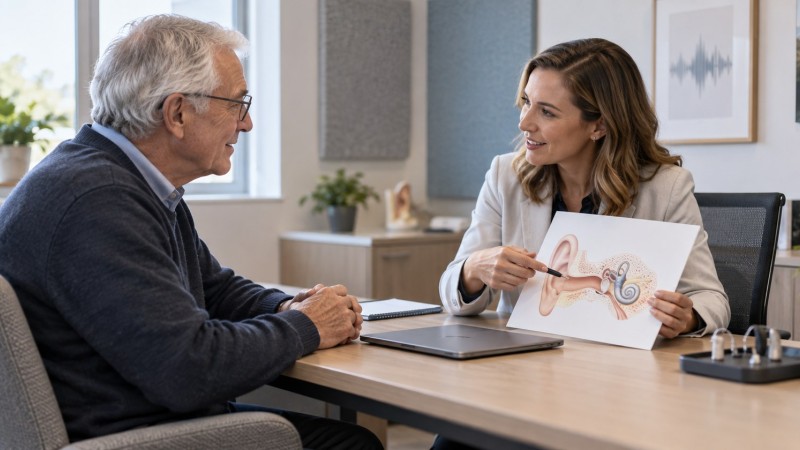
Some hearing changes and physical ear symptoms deserve prompt professional attention. Knowing the red flags can help you act quickly and arrive with useful information.
Changes worth discussing
If you regularly struggle to follow conversation, need others to repeat themselves, or notice a continuing change, consider arranging a hearing evaluation. Write down when the change began and the situations in which you notice it most.
Sudden hearing change
Seek medical care immediately for sudden hearing loss. The National Institute on Deafness and Other Communication Disorders says sudden sensorineural hearing loss should be considered a medical emergency.
Sudden loss may happen at once or over a few days and often affects one ear. It may be accompanied by a feeling of fullness, dizziness, or ringing. Do not delay care because you assume the cause is allergies or earwax.
Other signs to discuss
- Ear pain or drainage from the ear canal
- Dizziness or balance symptoms associated with a hearing change
- Persistent ringing or buzzing
- A hearing change that is progressing or affects daily communication
- Any concern that something does not feel right
Prepare for an appointment
Write down when the change began, whether it affects one ear or both, any associated symptoms, and the situations in which you notice it most. Bring a list of medications and relevant medical history. Clear notes can help a professional understand the timeline.
This article provides general information and does not replace medical advice, diagnosis, or treatment.
Sources: NIDCD: Sudden Deafness; U.S. FDA: Hearing Aids and PSAPs.
Understand the role and limits of amplification
Read the practical comparison of a personal sound amplifier and an OTC hearing aid, review the full range of iRoger personal sound amplifiers, or use the gradual steps in getting comfortable with a new listening device. These resources do not replace professional care.