

Behind-the-Ear vs. In-the-Ear Hearing Aids: Compare Fit and Daily Handling
Comfortable fit and manageable controls help a listening device become part of daily life. Compare how each style feels and how you will handle it.
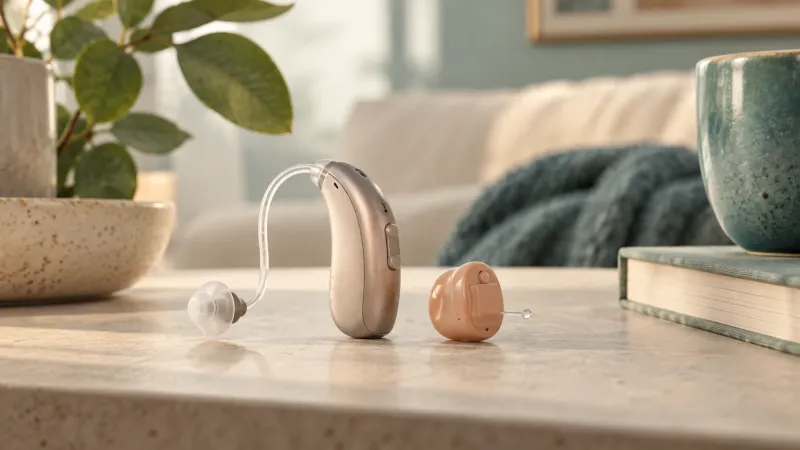
Comfortable fit and manageable controls help a listening device become part of daily life. Compare how each style feels and how you will handle it.
First, find out where the speaker sits
Behind-the-ear is a broad description, not a single design. A conventional BTE hearing aid has its main body behind the ear and sends sound through tubing to an earpiece. A receiver-in-canal design also has a body behind the ear, but a thin wire connects it to a small speaker near or in the ear canal. The visible position of the main case can therefore hide an important difference in the parts you will handle.
In-the-ear designs put the device within the outer ear or canal, with several sizes and arrangements available. Ask the provider to point out the microphone, speaker, controls, and parts that need routine care on the actual model. That explanation is more useful than choosing from a drawing of two silhouettes. It tells you what will touch the ear and which pieces may need cleaning or replacement.
Try it with the glasses you normally wear
Bring your everyday glasses to a fitting appointment. Put them on, remove them, and move your head while wearing the proposed device. Check whether the glasses disturb the hearing aid or make it harder to reach a control. If you use a mask or other equipment around the ears, try that routine as well. A fit that seems comfortable while sitting still may feel different during an ordinary task.
For an in-the-ear option, ask how insertion depth and orientation are established and what a correct fit should feel like. Do not push a device farther in to fix discomfort. Tell the provider where pressure occurs and whether it develops immediately or later. The answer may involve an earpiece or fitting adjustment rather than abandoning the entire style. Ask who will make that change and how soon you can arrange it.
Small controls deserve a hands-on check
Discretion and easy handling do not always point to the same model. A small case can offer little space for a button or battery compartment. Some functions may be controlled by an app or remote instead. Ask to change volume, select a program, and return to the normal setting using the method you will have at home.
Try removing the device without assistance too. If an app is required, check whether the necessary phone is compatible and whether you can operate it comfortably. If a family member will help with setup, distinguish that occasional help from the controls you need every day. Someone who prefers a physical button should know before buying that a particular adjustment depends on a phone. Write down which tasks you can do yourself and which need support; those details make the comparison concrete.
Ask how the fit relates to your hearing needs
The smallest or least visible hearing aid is not automatically the suitable one for a particular hearing pattern. A professional can explain which designs are appropriate and how the earpiece and programmed amplification work together. Ask why a style has been proposed for you, including any practical alternatives. The answer should relate to your assessment and daily listening needs, rather than appearance alone.
If your own voice sounds unfamiliar or the ear feels blocked, describe that experience during the fitting process. Do not assume that a different-looking case will solve it, and do not alter an earpiece yourself. Also describe situations where the sound already feels comfortable. This gives the provider something specific to preserve while addressing the problem. Fit and sound settings should be discussed together, because the part that sits in the ear is part of the listening arrangement.
Compare care by the parts you will actually clean
Request the cleaning instructions before purchase and look at the tools they require. Depending on the design, routine care may involve an earpiece, tubing, a receiver, or a replaceable wax filter. Ask which tasks the wearer can perform and which belong with the provider. Do not assume every hearing aid should be cleaned in the same way or that a whole device can be washed.
Consider how easily you can identify and handle each part. Ask how replacement pieces are ordered and whether the provider stocks them. If you travel or live far from the fitting service, find out what help is available when a part is lost or damaged. A compact device can still be a workable choice, but its care routine needs to suit your eyesight, dexterity, and access to service. Ask for a demonstration instead of relying on the phrase “easy maintenance.”
Use the evaluation period for ordinary wear
Follow the fitting instructions, then evaluate the device during the activities you expect to do regularly. Note whether it stays in place when you walk, use the phone, or take your glasses off. Record physical comfort separately from speech understanding. “It stays secure, but the upper edge hurts after lunch” gives the provider a much clearer problem than one overall satisfaction score.
Contact the provider promptly about pain, irritation, or a device that repeatedly slips. Do not wait until the return deadline to mention a fit problem. Keep the agreed instructions and note what changes after an adjustment. Avoid judging the whole purchase from the first few minutes, but also avoid forcing yourself to tolerate painful wear. Ask in advance whether an earpiece remake or fitting adjustment changes the return deadline, and obtain the answer in writing.
Consider headphone comfort for personal listening
Hearing amplifiers with headphones offer another arrangement for listening to television or a nearby voice. The listener has accessible volume controls, and a separate microphone can collect sound nearer the source. Comfortable headphones and a useful microphone position can help make the program or conversation easier to follow. For this setup, compare the headband, cushions, cable reach, and ease of putting the headphones on and taking them off.
Try the headphones with your normal glasses and from the usual TV chair. Keep the listening level comfortable and check whether the cable pulls when you turn your head. For an IROGER I8-Pro hearing amplifier setup, use the headphones and connections supported by the model. If you already wear hearing aids, follow their guidance for headphone use. Judge pressure, sound, and handling separately, then select the arrangement that fits the activity and remains comfortable through the time you expect to listen.
Sources and further reading
- NIDCD: Hearing aid styles, fitting, and care
- FDA: Hearing aids and personal sound amplification products
For a specific device, use its current instructions and compatibility information.